
Key Takeaways
- Roof repair is usually the more affordable choice when the roof is relatively young, the damage is isolated, and the remaining shingles and underlayment are in good condition.
- Roof replacement may provide better long-term value when the roof is aging, leaks keep returning, damage is widespread, shingles are deteriorating, or the decking and structure are affected.
- A repair may save money upfront, but repeated repairs can eventually cost more than replacing the roof with a new system that offers greater predictability and a longer service life.
- Consider more than the quote. Review the roof’s age, damage extent, previous repair costs, installation quality, ventilation, drainage, material availability, warranty, and expected remaining lifespan.
- The best decision requires a professional inspection and a comparison of repair costs with replacement costs. Repair makes sense for limited problems, while replacement is often more economical when repairs approach a substantial share of a new roof’s cost.
Your roof is one of the biggest protective investments in your home, so when problems appear, the first question is often: Should I repair the roof or replace it?
For many homeowners, the immediate instinct is to choose the less expensive option. If a contractor quotes a few hundred or a few thousand dollars for a repair while a new roof costs considerably more, repair can seem like the obvious choice.
But the cheapest option today is not always the option that saves the most money over time.
A professional roof repair may be the right solution when damage is limited, and the rest of the roofing system is in good condition. On the other hand, replacing an aging roof can sometimes prevent repeated repairs, water damage, and other expenses that add up over the years.
Understanding the condition of your roof, its age, the extent of the damage, and its expected remaining lifespan can help you make a financially informed decision.
Not sure whether your roof needs a repair or replacement? Schedule a professional roof inspection to evaluate the condition of your roofing system and determine which option makes the most financial sense for your home.
What Is the Difference Between Roof Repair and Replacement?
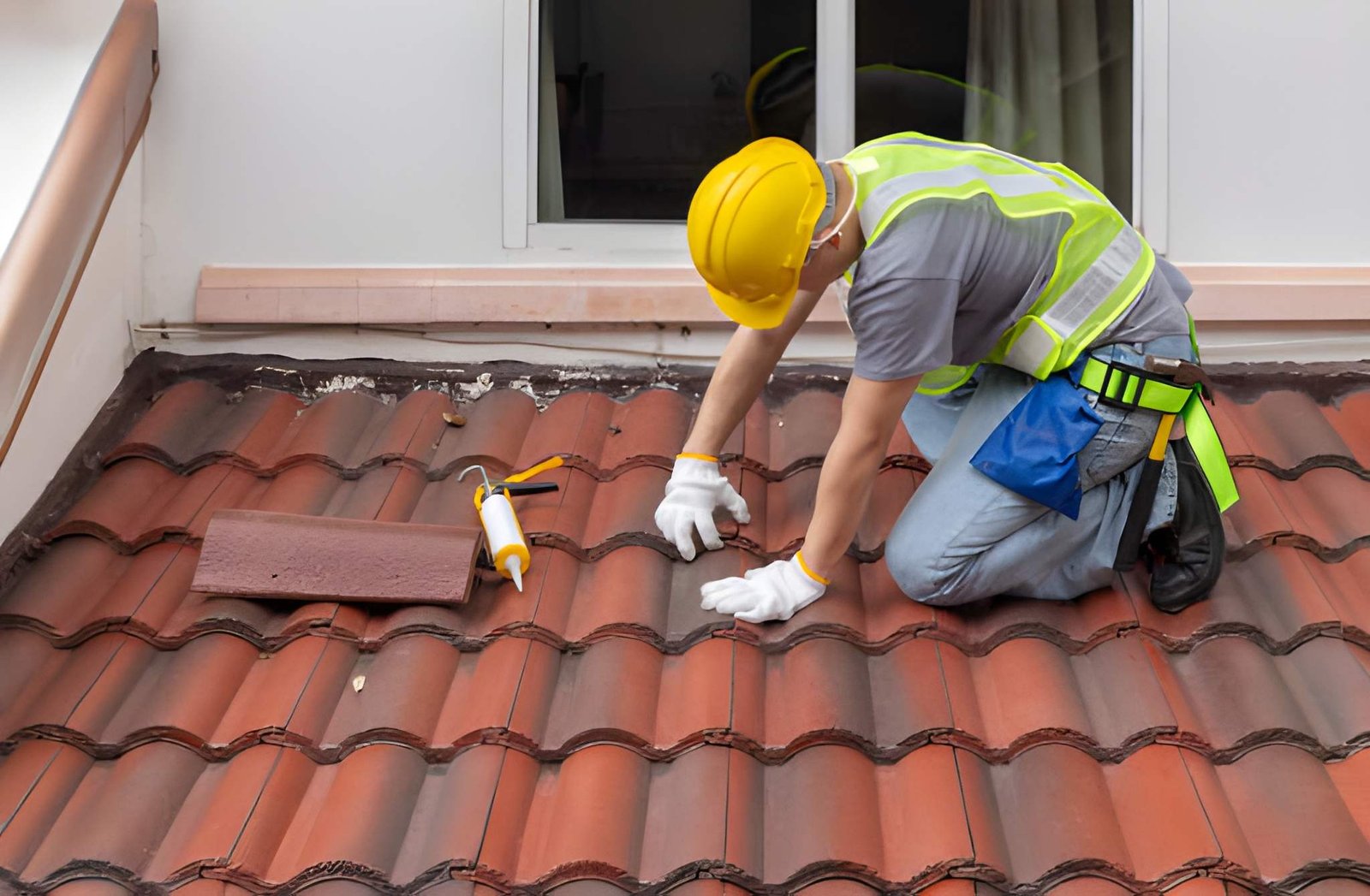
Roof repair involves addressing a specific problem without removing the entire roofing system. For example, a contractor may replace damaged shingles, repair flashing, seal a leak, or address a localized section of damaged roofing material.
Roof replacement is more extensive. It generally involves removing the existing roofing materials and installing a new roofing system. The right option depends largely on whether the problem is isolated or whether the roof is experiencing widespread deterioration.
A relatively new roof with a small leak may only need a targeted repair. At Absolute Home Solutions, we also recognize that an older roof with extensive shingle damage, recurring leaks, and deteriorated underlayment may be approaching the point where replacement is more economical.
When Roof Repair Usually Makes More Financial Sense
Repair can be a cost-effective choice when the roofing system is generally healthy.
For example, imagine a 10-year-old asphalt shingle roof with a small area damaged by a storm. If the remaining shingles are in good condition and there are no signs of widespread moisture or structural damage, replacing the affected materials may be all that is necessary.
A repair can also make sense when damage is caused by a specific event, such as:
- A fallen tree branch
- Wind damage
- A small flashing failure
- A localized leak
- A few missing shingles
- Damage around a roof penetration
In these situations, replacing the entire roof may provide little additional financial benefit if most of the system still has significant useful life remaining.
Don’t Let Roof Problems Get Worse Recurring leaks and widespread shingle damage can be signs that your roof needs more than a quick repair. Discover when a full roof replacement may be the better choice for your home. Read the Roof Replacement Guide
The Cost of a Roof Repair
Repair costs vary depending on the type and extent of damage. Replacing a few shingles is generally much less expensive than replacing an entire roof. Other repairs, such as flashing replacement, leak repairs, or addressing damaged decking, can cost more depending on accessibility and the amount of work required.
A residential roof repair service can assess the problem and provide an estimate based on the actual condition. Homeowners should be cautious about choosing a contractor based only on the lowest repair quote.
Roof Replacement Can Improve Predictability
One financial advantage of replacement is predictability. An aging roof can create uncertain expenses. You may repair one problem only to discover another several months later.
A new roofing system does not eliminate the possibility of maintenance or damage, but it can reduce the likelihood of problems associated with old materials.
It can also make household budgeting easier because you are less likely to face frequent unexpected repair bills. The initial investment is larger, but the expense can be viewed as a long-term investment in the home.
Don’t Ignore the Quality of Previous Installation
The condition of your roof may not be determined solely by age. Poor installation can cause premature problems. Improper flashing, inadequate ventilation, incorrect fastening, poor drainage, and other installation issues can shorten the lifespan of roofing materials.
If a roof has repeatedly developed problems despite being relatively young, it is worth investigating whether installation quality or another underlying issue is responsible.
When replacement becomes necessary, choosing an experienced residential roof installation contractor can help ensure that the new roofing system is installed correctly.
Flat Roofs Require Special Attention
The repair-versus-replacement decision can be different for flat or low-slope roofing systems. These roofs use different materials and drainage methods than many traditional sloped roofs.
Standing water, membrane damage, deteriorated seams, and drainage problems can all affect performance.
Regular residential flat roof maintenance can help identify problems early and potentially extend the useful life of the system.
If a flat roof has repeated leaks or widespread membrane deterioration, however, continuing to patch individual areas may eventually become less economical than replacement.
Consider Energy Efficiency
A new residential roofing can sometimes provide an opportunity to improve attic insulation and ventilation. While roofing material itself is not the only factor affecting energy efficiency, the overall roofing system plays an important role in how your home handles heat and moisture.
If your current roof is associated with poor ventilation or inadequate insulation, replacement may allow these issues to be addressed as part of the project.
However, homeowners should not assume that a new roof automatically produces dramatic energy savings. Energy efficiency depends on multiple factors, including insulation, windows, HVAC equipment, air sealing, and household behavior.
Don’t Choose Based on Price Alone
Whether you repair or replace your roof, the contractor you choose matters. A low-cost quote can become expensive if the work is incomplete or improperly performed.
Ask contractors about their experience, licensing and insurance where applicable, warranties, materials, project scope, and references. Make sure the estimate clearly explains what is included.
For replacement projects, this may include removal and disposal of old materials, underlayment, flashing, ventilation, new roofing materials, cleanup, and installation. For repairs, ask what caused the problem and exactly how the proposed repair will address it.
When Roof Repair Is the Better Choice
Repair is generally worth considering when: The roof is relatively young. Damage is localized. Most roofing materials remain in good condition.
There are no significant structural problems. Leaks are limited and can be properly addressed. The roof has a reasonable amount of useful life remaining. In these circumstances, repairing the affected area can help you avoid an unnecessary replacement expense.
Ready to Protect Your Home? Discover helpful roofing and window tips from Absolute Home Solutions and learn how to spot problems before they become costly repairs. Explore Our Home Improvement Blog
Final Thoughts
So, which saves more money: Roof Repair or Roof Replacement? There is no universal answer. A well-maintained roof with isolated damage can often be repaired economically. Replacing it prematurely may result in unnecessary spending.
However, an old roof with widespread deterioration and repeated problems can turn repairs into an ongoing expense. In that situation, replacement may provide better long-term value despite the higher upfront cost.
Frequently Asked Questions
1. Which saves more money overall: roof repair or replacement?
In the short term, repair is almost always cheaper ($150–$2,000+ for typical fixes). Over the long term, replacement often provides better value when the roof is old, damage is widespread, or repairs keep recurring, because it reduces future repair bills and can add home equity. A common rule of thumb: if repair costs exceed 25–30% of a new roof’s price, replacement is usually the smarter financial move.
2. When is roof repair the better financial choice?
Repair makes sense when the roof is relatively young (often under 10–15 years), damage is localized (e.g., a few shingles, small flashing leak), most materials are in good condition, and there are no systemic issues like soft decking or widespread moisture. In these cases, a targeted repair avoids the large upfront cost of replacement.
3. When should I replace instead of keep patching?
Consider replacement when the roof is near or past its expected lifespan (asphalt shingles ~20–30 years), damage covers a large portion (often >25–30% of the roof), you’re facing repeated leaks or multiple repair quotes, shingles are brittle/discontinued, or there are structural/ventilation problems. Frequent repairs on an old roof can add up to more than a new roof over time.
4. What are typical cost ranges for repair vs replacement?
Typical repair costs range from about $150–$2,000+ depending on scope (shingles, flashing, leak tracing, decking). Full replacement for a standard asphalt-shingle roof often runs $7,500–$20,000+ (higher for metal, tile, or large/complex roofs). Exact costs vary by region, materials, roof size/pitch, and accessibility.
5. How does the “30% rule” work for roof decisions?
If a repair estimate exceeds roughly 30% of the cost to replace the entire roof, replacement is generally the better investment. This threshold helps avoid sinking money into an aging system that will likely need more work soon.
6. Does a new roof increase home value?
Yes. Industry data suggests homeowners can recoup about 60–65% of a roof replacement’s cost in added home equity, and some estimates show resale-value increases in the $15,000–$40,000 range depending on market and home price. Repairs typically have minimal impact on resale value.
7. How long do common roofing materials last?
Asphalt shingles typically last 20–30 years, metal roofs 40–70 years, and clay/concrete tile 50+ years. Actual lifespan depends on material quality, installation, ventilation, climate, and maintenance. If your roof is approaching these ages and showing wear, replacement may be more economical than repeated repairs.
8. Can repeated small repairs cost more than replacement?
Yes. Multiple repairs over a few years (e.g., $1,000 + $1,500 + $2,000) can total several thousand dollars while you still have an old roof. Unaddressed leaks can also cause secondary damage (insulation, drywall, framing) that multiplies costs. Replacement provides predictability and reduces the likelihood of near-term surprise bills.
9. What factors should I compare before deciding?
Key factors include roof age, extent and cause of damage, number of leak sources, condition of decking/underlayment, material availability, ventilation/insulation issues, your planned time in the home, and total cost of repairs vs replacement. A professional inspection can clarify whether damage is isolated or systemic.
10. Does roof replacement improve energy efficiency?
Sometimes. Replacement projects can address ventilation, insulation, and air-sealing issues that affect heat and moisture in the attic. However, energy savings depend on many factors (insulation levels, windows, HVAC, air leakage). Don’t assume a new roof alone will dramatically cut bills, but it can be part of a broader efficiency upgrade.
11. How do I choose a contractor for repair or replacement?
Ask about licensing/insurance, warranties (materials and workmanship), detailed scope (removal, underlayment, flashing, ventilation, cleanup), references, and experience with your roof type. Avoid choosing solely on the lowest quote; incomplete or improper work can cost more later.